
The first time I stood in the middle of Jemaa el-Fna square as the sun went down — snake charmers to my left, smoke curling off a lamb tagine to my right, and a storyteller holding a crowd of fifty locals absolutely captive — I thought: nobody told me it was going to be this good.
That’s the thing about Morocco. It’s one of those rare destinations that doesn’t just meet expectations — it quietly dismantles them and hands you back something better. This complete Morocco travel guide is for everyone who’s got the country on their list but isn’t quite sure where to start, what to skip, or how to pull it off without the usual tourist-trap chaos.
I’m going to be straight with you: Morocco rewards people who show up a little curious and a little flexible. Bring both, and this country will give you back something genuinely hard to describe. Let’s go.
Why Morocco Should Already Be at the Top of Your Travel List
Morocco occupies a fascinating crossroads — geographically, culturally, and historically — between Europe, Africa, and the Arab world. It’s the only country in Africa with coastlines on both the Atlantic and the Mediterranean. You can ski in the Atlas Mountains in the morning and theoretically be sipping tea in the Sahara by sunset. (Theoretically. Please don’t actually try to do both in one day.)
For first-time visitors, the scale of what’s on offer can feel slightly overwhelming. That’s exactly why Sahara Experience — one of Morocco’s most respected travel specialists — curates expertly crafted Morocco tours that take the guesswork completely out of your hands.
Morocco is also, frankly, excellent value. A solid mid-range daily budget runs between €60–€100 per person, including accommodation, food, local transport, and a few experiences. If you’re comfortable staying in riads rather than five-star hotels, you can often do significantly better than that — and have a richer cultural experience while you’re at it.
“Morocco doesn’t show you its best face immediately. It makes you earn it — and then, when it does open up, you realize it was worth every minute of patient curiosity.” — Youssef, local guide, Fes medina, 15 years leading travelers through the old city
The Best Time to Visit Morocco (And When to Avoid It)
Morocco is a year-round destination, but not all seasons are equal. Here’s the honest breakdown:
| Season | Months | Conditions | Best for |
|---|---|---|---|
| Spring | Mar – May | Warm, dry, wildflowers in the valleys | Everything — the sweet spot |
| Summer | Jun – Aug | Very hot inland, breezy on the coasts | Beach towns like Essaouira & Agadir |
| Autumn | Sep – Nov | Warm but manageable, calmer crowds | Desert trips, Fes, Marrakech |
| Winter | Dec – Feb | Cool cities, snow in the Atlas | Budget travel, off-peak calm |
Pro Tip: For Sahara desert trips, October through April is the window you want. Summer temperatures in Merzouga regularly pass 45°C — which sounds adventurous right up until it actually happens to you. Stick to the cooler months and you’ll wake up to dunes that glow like embers at sunrise.
The Morocco Travel Guide to Cities You Actually Need to Visit
Marrakech: Chaotic, beautiful, non-negotiable
Let’s be honest — Marrakech is the city that puts Morocco on most travelers’ radar, and it earns that reputation every single time. The medina is a maze of hammered copper lanterns, handwoven rugs, and the kind of sensory overload that makes you feel thoroughly alive. Jemaa el-Fna square at dusk is one of travel’s great free performances.
Book a riad inside the medina walls if you can — even a modest one. Waking up in a courtyard with a fountain trickling and the call to prayer drifting over the rooftops is worth every dirham. The curated experiences from Marrakech that Sahara Experience offers are also a brilliant way to get under the city’s skin without spending three days being lovingly, hopelessly lost.
Local Secret: Skip the tourist-facing restaurants directly on Jemaa el-Fna — the food is average and the prices are inflated. Duck into the side streets of Derb Dabachi instead, or ask any local for the nearest “restaurant populaire.” You’ll eat better, pay less, and feel immediately more like a resident than a tourist.
Fes: Where time actually stopped
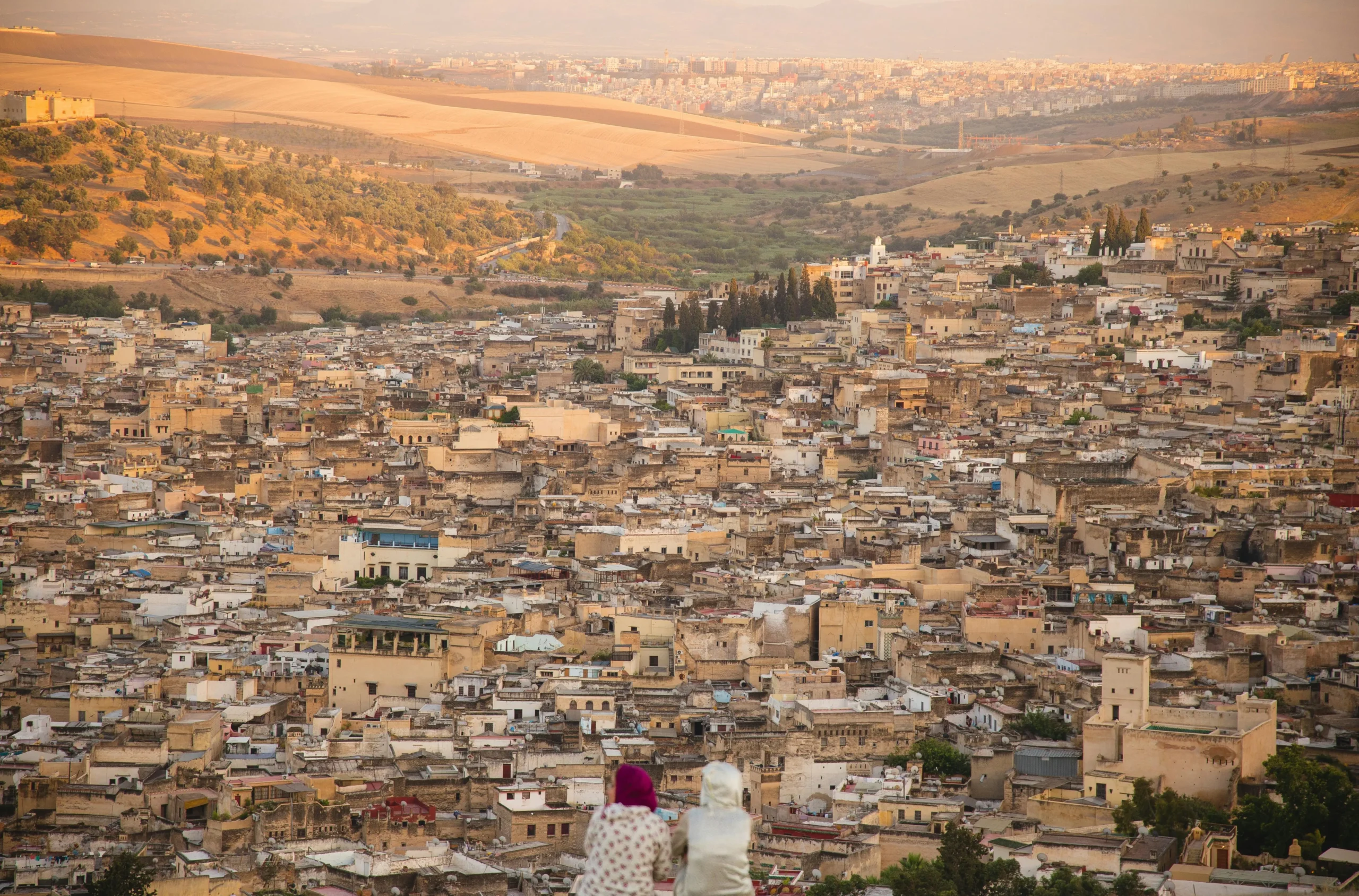
Fes el-Bali is the world’s largest living medieval city — a UNESCO World Heritage Site where the streets are too narrow for cars and the tanneries have operated the same way since the 11th century. It’s simultaneously the most overwhelming and most rewarding city in Morocco.
Two full days is the minimum. Three is better. Budget around 200–400 MAD for a guided medina walk — getting lost alone is romantic for about twenty minutes, then maddening. Make sure you see the leather tanneries from one of the rooftop terraces overlooking them. The smell is unforgettable. I mean that as a compliment and a warning.
The Sahara Desert: The experience that changes everything
Merzouga, the gateway to the Erg Chebbi dunes, is where Morocco delivers its most theatrical moment. The dunes rise to 150 metres — burnt orange, impossibly photogenic, and eerily quiet once you get away from the camps.
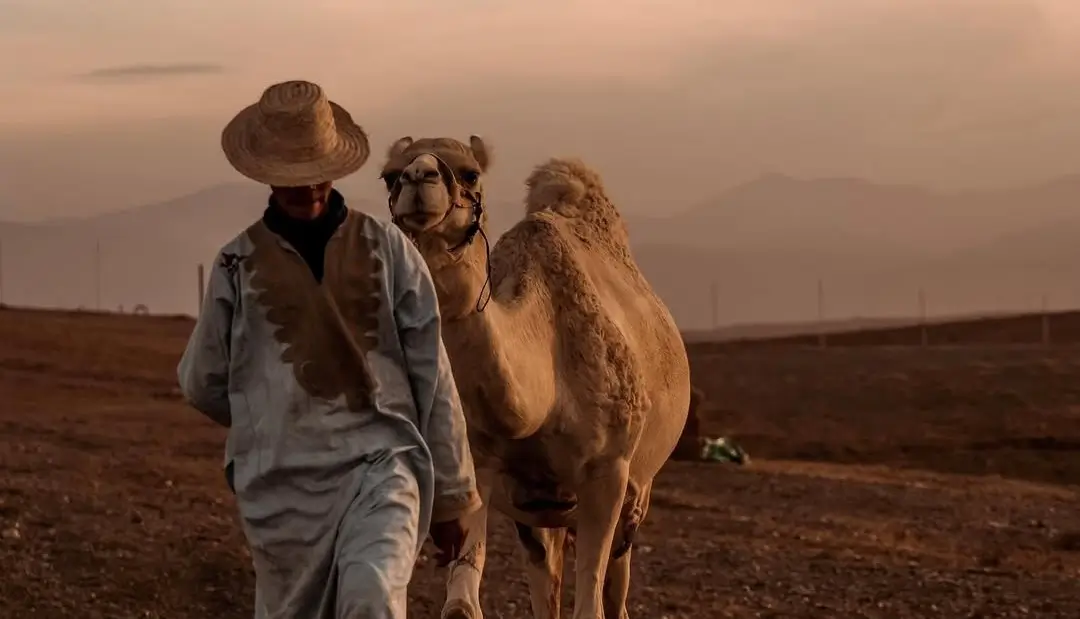
An overnight camel trek followed by sleeping under the stars is, without question, the highlight of most people’s entire Morocco trip. Sahara Experience operates a luxury desert camp in Merzouga that manages to be genuinely comfortable without losing any of the magic — proper beds, warm showers, and that infinite sky overhead.
“There’s nothing quite like lying in the Sahara at midnight with no light pollution and realizing you’ve never actually seen stars before. Everything you thought you knew about a clear night sky gets quietly retired.” — Traveler reflection shared with Sahara Experience guides, Merzouga
What to Eat in Morocco (This Section Is Non-Negotiable)
Moroccan cuisine is one of the greatest arguments for slow travel. It rewards lingering over meals, accepting invitations to eat with locals, and being willing to try things you can’t pronounce.
- Tagine — the slow-cooked cornerstone of the cuisine. Lamb with prunes and almonds is the one that will haunt you afterward.
- Pastilla — sweet, flaky, savory, and completely addictive. Usually chicken or pigeon with almonds and powdered sugar. Confusing and magnificent.
- Harira soup — the bowl of tomato, lentil, and chickpea soup Moroccans break their Ramadan fast with. Try it even outside of Ramadan.
- Msemen — griddle-fried flatbread eaten for breakfast with argan oil and honey. Make peace with your diet before you arrive.
- Mint tea — poured from height to create foam, sweet, warm, offered everywhere. Accepting is good manners. Refusing is technically allowed but emotionally complicated.
Pro Tip: In souks and food markets, look for the stalls where the locals are actually eating — not the ones with laminated English menus and photos of every dish plastered outside. A full lunch at a workers’ restaurant typically costs 30–50 MAD and is often the best meal of the day.
Morocco Travel Guide: Practical Info, Costs & Getting Around
Budgeting for your Morocco trip
| Budget Level | Daily Cost (per person) | What you get |
|---|---|---|
| Budget | €30–50 | Hostels, street food, local buses |
| Mid-range | €70–120 | Riads, restaurant meals, guided experiences |
| Comfort | €150–300+ | Boutique riads, private drivers, curated tours |
Getting around Morocco without losing your mind
- Trains: ONCF operates excellent, affordable trains between Casablanca, Rabat, Fes, Marrakech, and Tangier. Book ahead on weekends.
- CTM buses: Comfortable long-distance coaches connecting cities not on the rail network — reliable and cheap.
- Private transfers: For desert routes and remote areas, this is genuinely the way to go. Check Sahara Experience’s private transportation services for door-to-door comfort with drivers who know every road in the south.
- Taxis: Petits taxis (small, colored) for within cities; grands taxis (larger, shared) for intercity short hops. Always agree on the price before you get in.
“Morocco is one of the best countries in the world for independent travel — but having a local specialist handle your logistics means you spend your energy on the country instead of the spreadsheets.” — Sahara Experience concierge team, Marrakech
Is Morocco Safe? Honest Answers for Honest Travelers
Morocco is, statistically and experientially, one of the safer destinations in Africa and the broader MENA region. The US State Department classifies Morocco as Level 1: Exercise Normal Precautions — the same classification as most of Western Europe.
That said, a few honest notes:
- Petty theft in crowded medinas exists — keep your phone in your front pocket and bag zipped at the front of your body.
- Unofficial “guides” who attach themselves near medina entrances can be persistent. A firm but friendly “la shukran” (no thank you) usually does the job.
- Solo female travelers visit Morocco regularly and successfully. Modest dress significantly reduces unwanted attention and is also a sign of genuine cultural respect.
- LGBTQ+ travelers: Morocco is a conservative Muslim country where same-sex relationships are legally prohibited. Discretion is strongly advised.
Cultural Etiquette Worth Knowing:
- Always ask permission before photographing people, especially in medinas and rural areas.
- Remove your shoes when entering a mosque or someone’s home.
- During Ramadan, eating, drinking, or smoking in public during daylight hours is considered disrespectful.
- Bargaining in souks is expected and even enjoyed — approach it as a conversation, not a confrontation.
Beyond the Obvious: Morocco Experiences Most Visitors Miss
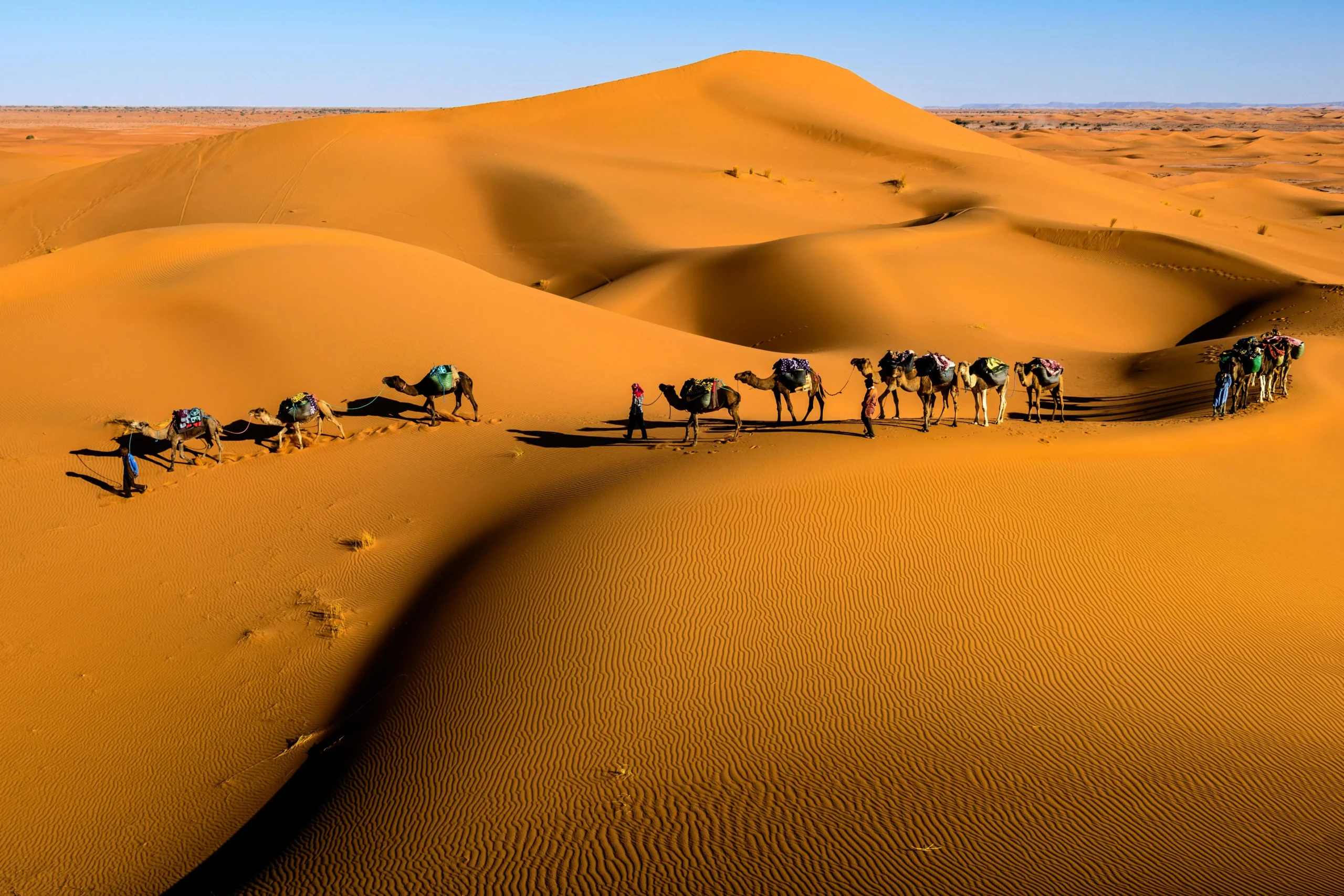
The crowds go to Marrakech. The curious go to Mhamid — perched at the edge of the real Sahara where the tarmac ends and the desert begins. Sahara Experience runs desert circuits departing from Mhamid that go places organized tourism hasn’t overrun yet, and those are the ones guests talk about for years.
A few other underrated gems to add to your Morocco itinerary:
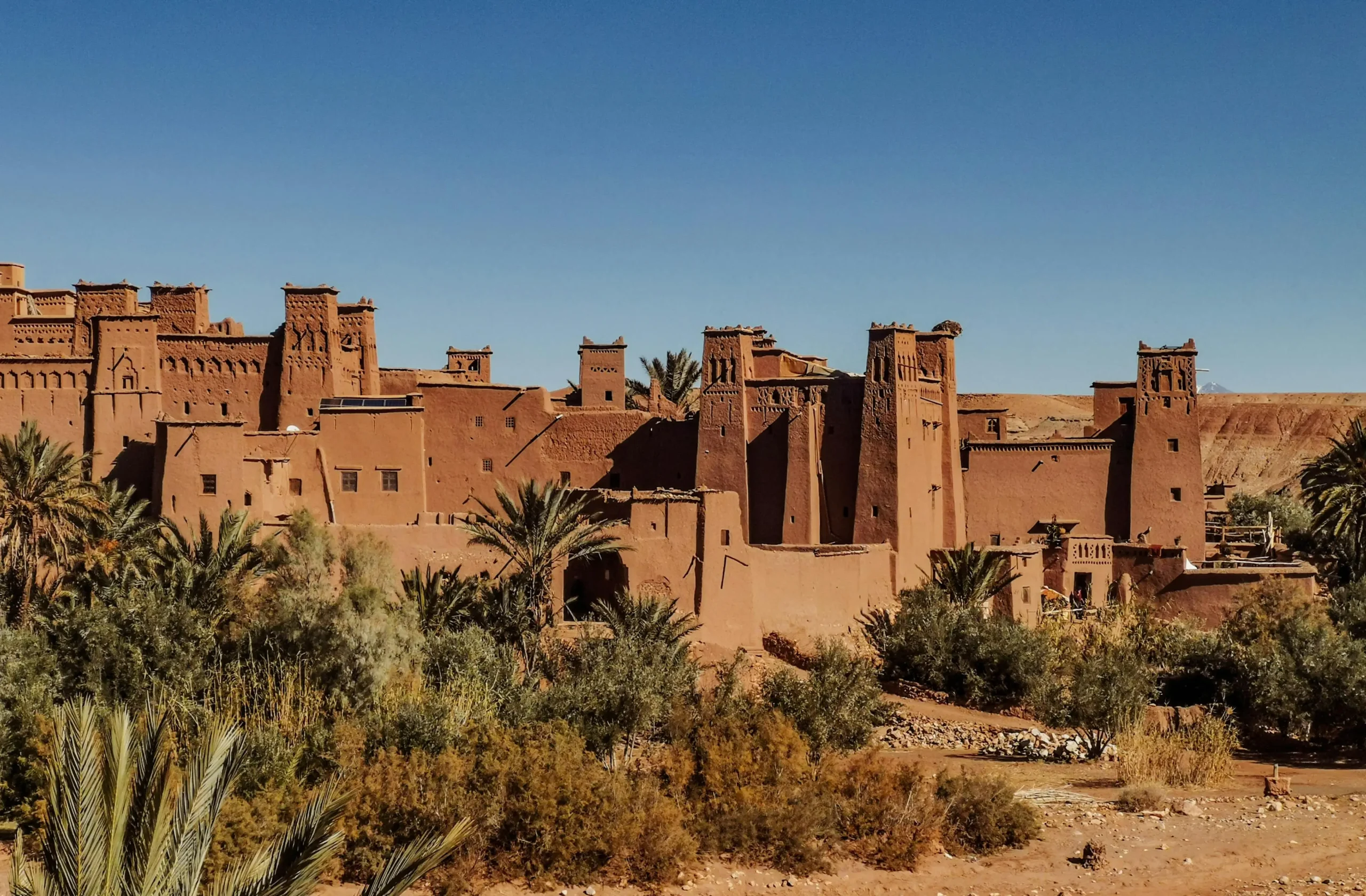
- Aït Benhaddou — the ancient ksar outside Ouarzazate used as a filming location for Game of Thrones, Gladiator, and countless others. Stay the night if you can — after the day-trippers leave, it’s extraordinary.
- Agafay Desert — rocky desert terrain just 40 minutes from Marrakech. Perfect if you’re short on time but want that vast, cinematic landscape. The White Camel Lodge & Tents in Agafay is a genuinely special overnight.
- Chefchaouen — yes, it’s on Instagram. Yes, it’s still worth it. Go early morning before 9am when the blue alleyways belong entirely to you and the cats.
- Essaouira — a walled Atlantic port town with the best wind in Morocco, a fantastic fish market, and a laid-back energy that Marrakech is constitutionally incapable of.
Frequently Asked Questions About Traveling to Morocco
Do I need a visa to visit Morocco? Most Western passport holders — UK, EU, USA, Canada, Australia — can enter visa-free for up to 90 days. You’ll need a passport valid for at least six months beyond your entry date. Always verify current requirements before you travel.
How many days do I need for a proper Morocco trip? Seven days is the minimum to scratch the surface. Ten to fourteen days is the sweet spot that lets you breathe, include both cities and the desert, and not feel like you’re sprinting through one of the world’s great travel destinations.
Is Morocco suitable for solo female travelers? Yes — plenty of solo female travelers visit Morocco every year and have fantastic experiences. Modest dress, staying in well-reviewed riads, and using a reputable local operator for remote travel makes the whole experience significantly smoother.
What currency does Morocco use, and can I use cards? Morocco uses the Dirham (MAD). ATMs are plentiful in cities. Many riads and restaurants accept cards, but markets and taxis are cash-only. As of early 2026: 1 EUR ≈ 10.8 MAD, 1 USD ≈ 10.0 MAD.
What are the best Morocco tours for first-timers? A guided circuit combining Marrakech, the Atlas Mountains, and a Sahara overnight is the classic introduction — and genuinely earns its reputation. Browse all Morocco experiences from Sahara Experience to find the right fit for your timeline and travel style.
Ready to Stop Planning and Start Going?
Morocco doesn’t wait around, and neither should you. Whether you need a fully curated two-week itinerary, a private Sahara camp experience, or just someone who actually knows the best riad in Fes — rest assured, Sahara Experience has you covered from the first conversation to the last cup of mint tea.
Contact us and let us take everything off your plate — so all you have to do is show up and soak it all in.
Keep Reading:
